In the world of digital payments, security is everything. Every time you tap your phone, enter your card online, or authorize a payment through an app, your financial details travel across networks that are constantly targeted by cybercriminals. To combat this, payment systems rely on an advanced security technology known as tokenization — a process that protects sensitive information without compromising convenience.
But what exactly is tokenization, how does it work, and why is it so effective? Let’s break it down.
At its core, tokenization is the process of replacing sensitive data — such as credit card numbers or bank account details — with a unique identifier called a token.
This token is a randomly generated string of characters that has no exploitable meaning or value outside the specific transaction or system it was created for. In other words, even if a hacker intercepts a token, it’s useless without the secure system that maps it back to the real data.
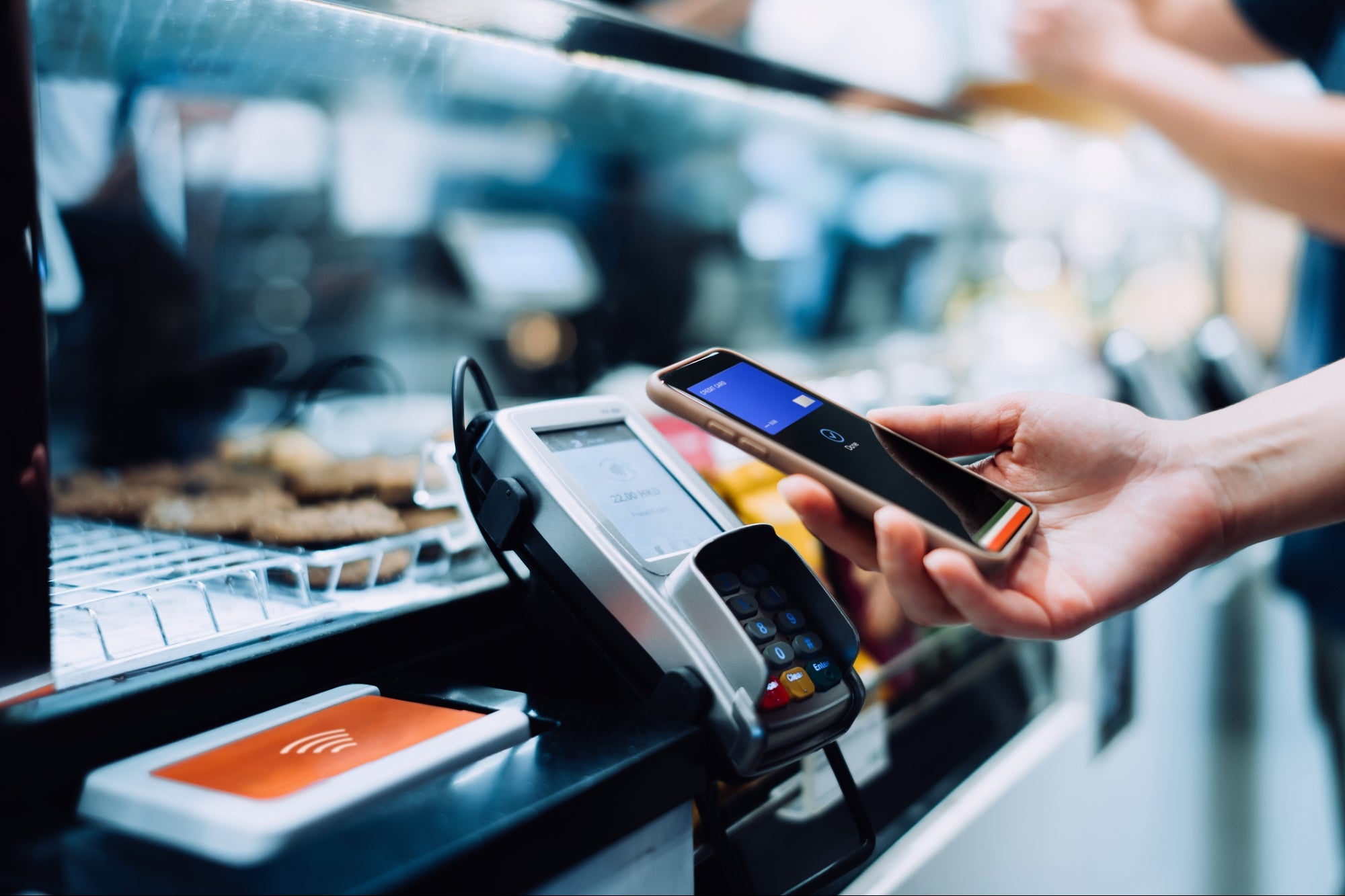
When you make a payment using your card through a digital wallet like Apple Pay or Google Pay:
The tokenization process typically follows these steps:
At no point during this process is the actual card number exposed — drastically reducing the risk of data theft.
While both tokenization and encryption are used to protect data, they work in different ways.
| Feature | Tokenization | Encryption |
| Process | Replaces data with random tokens | Converts data into an unreadable code |
| Reversibility | Cannot be reversed without the token vault | Can be decrypted with a key |
| Use Case | Ideal for payment data protection | Used for securing communication and stored files |
| Compliance | Reduces PCI DSS scope | Must comply with data encryption standards |
In short, tokenization removes sensitive data from the environment, whereas encryption hides it. Many secure systems actually use both for layered protection.
Even if hackers access a database containing tokens, they gain nothing of value. Without the original mapping system, the data is meaningless.
Since sensitive cardholder data is replaced with tokens, businesses have less exposure to regulated data, simplifying compliance with the Payment Card Industry Data Security Standard (PCI DSS).
Digital wallets, e-commerce platforms, and subscription services rely on tokenization to ensure transactions remain secure across devices and channels.
Consumers are more likely to engage with businesses that safeguard their data. Tokenization builds confidence by ensuring that even if a system is compromised, sensitive information remains protected.
For subscription-based models, tokenization allows merchants to store tokens instead of actual card numbers, enabling automatic renewals without compromising security.
Tokenization is used across multiple industries beyond traditional payment processing:
Leading payment processors like Visa, Mastercard, and PayPal use tokenization as a foundational layer in their fraud prevention frameworks.
As digital payments evolve, tokenization continues to adapt. Emerging innovations include:
In the near future, tokenization will likely extend beyond payments to secure all forms of personal and business data.
If you’re a business owner or merchant handling payments, here’s how to adopt tokenization effectively:
In a world where cyber threats are becoming more advanced, tokenization is one of the most reliable shields for payment security. It not only protects sensitive data but also simplifies compliance, builds trust, and enables businesses to operate safely in a digital-first economy.
For consumers, tokenization offers peace of mind. For businesses, it provides a robust foundation for secure, scalable, and future-ready payment systems.
In essence, tokenization turns one of the biggest risks in digital transactions — data exposure — into one of its greatest strengths: security through invisibility.